
Find out what happens next
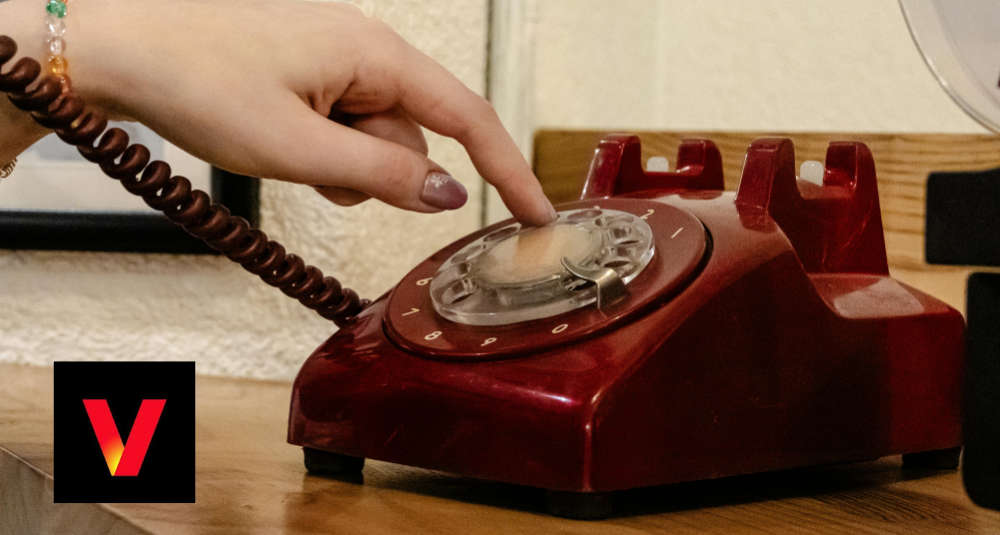
If you or someone in your family still has an old-school landline, a major change could be coming.
Verizon is moving toward retiring the traditional copper-wire network that has carried landline phone service to homes for generations. The company has been replacing aging copper infrastructure with newer fiber-optic and wireless technology across the country, including here in New York.
And now that transition appears to be accelerating.
According to Verizon, the company is seeking approval to discontinue traditional "plain old telephone service," or POTS, over copper lines in areas where another approved option is available. Some New York customers have already received letters about the change, with copper service potentially being discontinued as soon as the end of November.
Does This Mean Your Landline Is Going Away?
Not necessarily.
What Verizon is eliminating is the copper connection, not necessarily the home telephone itself.
Customers may instead be moved to a fiber-based phone connection or a service that allows an existing home phone to work through Verizon's wireless network. Verizon says customers will also be able to keep their existing phone number.
The company says it will not shut off a customer's copper phone service unless an approved replacement is available at that address.
That could be especially important in rural areas of New York where fiber and reliable cellular coverage aren't always available.
There's One Big Difference During a Power Outage
One of the advantages of a traditional copper landline has always been that a simple corded telephone could often continue working during a power outage because the line received power from the telephone network rather than the home's electrical system.
Fiber and wireless-based home phone systems work differently.
They generally require equipment at your house that needs electricity. Verizon says replacement equipment will include battery-backup capability, but that backup isn't unlimited.
That means anyone who relies on a home phone during extended power outages should understand exactly how their replacement system works and how long its battery will last.
And remember: a cordless telephone that plugs into an electrical outlet can still lose power even if the phone service itself has battery backup.
What About 911, Medical Devices and Alarm Systems?
Verizon says its modern replacement services will continue to support 911 calling and that many existing alarm systems, fax machines and medical devices will work with the newer technology.
But "many" is an important word.
If your landline is connected to a medical alert device, home security system, fire alarm, fax machine or other equipment, it's worth checking with the company that made or monitors that equipment before your service is changed.
Businesses and property owners may also have older systems including elevators, alarms and other equipment that still depend on traditional telephone lines.
Why Is Verizon Doing This?
Copper telephone infrastructure is decades old and expensive to maintain.
Verizon says the aging network is more vulnerable to weather damage, theft and vandalism and argues that maintaining both old copper lines and newer fiber and wireless networks diverts money that could otherwise be spent upgrading its newer infrastructure.
This isn't happening overnight. Verizon has actually been retiring portions of its copper network for years, including a number of communities across New York.
But the latest push could affect significantly more of the remaining customers who still depend on traditional copper landlines.
What Should You Do If You Still Have One?
For now, don't panic and don't assume your phone is about to stop working.
Verizon says affected customers will receive written notice before their copper service is discontinued. If you receive one of those letters, find out exactly what replacement service is being offered at your address.
And if you have an older relative who still depends on a traditional landline — particularly someone living in a rural area — this might be a good time to check in with them.
After more than a century of phones being connected by copper wire, one of the oldest pieces of America's communications infrastructure is slowly disappearing.
 National Cheeseburger Day Deals
 One of the Strongest People in the World is a Shen Student!
 Jimmer Fredette Comes Out of Retirement
 Johnny Rockets Returning to Crossgates
 After 15 years, Historic Saratoga County Tavern is Closing Down